
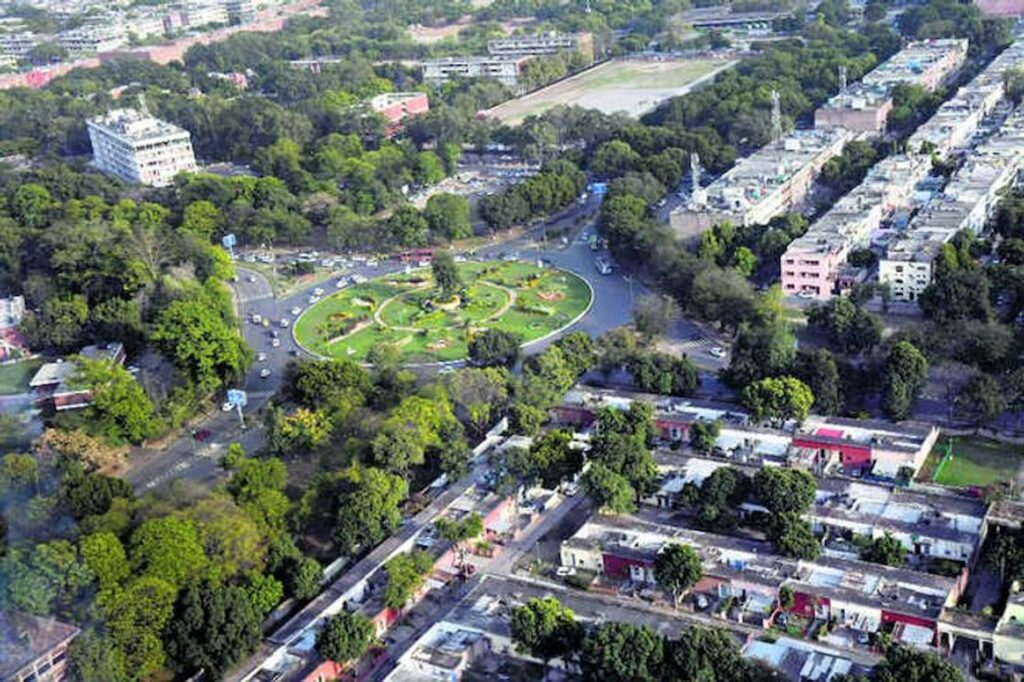
Chandigarh’s New Environment Panel Holds First Session, Prioritizes Pollution Control
The Chandigarh environment pollution control panel has taken a decisive step toward environmental reform. In its first-ever session, the newly formed environment panel laid out bold strategies to combat rising pollution. To promote green initiatives, and implement air pollution solutions for 2025. With experts, officials, and citizens aligned on the urgent need for change, this meeting could mark the beginning of a cleaner, healthier future for the City Beautiful.
In a significant move that signals Chandigarh’s heightened commitment to environmental sustainability. The newly constituted environment panel held its first official session this week at the UT Secretariat. The session marked a watershed moment in Chandigarh environment news, drawing attention from climate experts, policymakers, and civic groups alike. With the city grappling with rising pollution levels and growing ecological concerns, the panel’s agenda was clear. Accelerate pollution control in Chandigarh and implement concrete air pollution solutions for 2025.
Smog is now a familiar sight in winter months, and vehicular congestion poses a serious threat to urban health. The panel’s formation comes at a crucial time. At the heart of the discussions was an urgent call for urban pollution control measures. The government need long-term climate action, and a renewed commitment to Chandigarh green initiatives.
Here’s an in-depth look into the panel’s formation, the outcomes of its first session, and what lies ahead for the city’s environmental roadmap.
A Strategic First Session
The Chandigarh environment pollution control panel, established in July 2025 by the Chandigarh Administration, conducted its first session on August 5, 2025, at the UT Secretariat. The meeting was chaired by Adviser to the Administrator Rajiv Bansal, with prominent members from the Punjab State Council for Science and Technology (PSCST), Chandigarh Pollution Control Committee (CPCC), Chandigarh Smart City Limited (CSCL), and independent environmental experts in attendance.
Key decisions revolved around short-term and long-term strategies for pollution control in Chandigarh, emphasizing air quality improvement, sustainable urban planning, and citizen engagement.
“This is not just an administrative exercise,” Bansal stated during the session. “It is a collective mission to secure a livable future. Every citizen must be part of this journey.”
The Background: Why an Environmental Panel Now?
Chandigarh, once celebrated for its meticulous planning and green belts, has witnessed escalating environmental challenges over the past decade. Vehicular emissions, unregulated construction, and industrial activity have steadily eroded air quality and increased the city’s carbon footprint. The 2024 Central Pollution Control Board (CPCB) report showed PM2.5 levels exceeded 90 µg/m³ during peak winter months, almost triple the permissible limit.
Against this alarming backdrop, the Chandigarh environment pollution control panel’s first session comes at a crucial juncture, aiming to tackle these growing issues with renewed urgency and coordinated action. However, opposition political parties have criticized the government for what they call a “delayed and reactive approach” to environmental management. Leaders from the Congress and AAP have accused the administration of ignoring early warning signs, failing to implement stricter pollution control norms, and underfunding green infrastructure projects. They argue that without consistent enforcement and policy-level commitment, such panels may serve as mere optics rather than driving real change.
The administration, facing mounting pressure from both civil society and environmental watchdogs, fast-tracked the formation of a high-powered advisory panel earlier this year.
The panel is tasked with shaping policies for air pollution solutions 2025, aligning them with national environmental goals and the Sustainable Development Goals (SDGs) under India’s climate commitments.
Inside the First Session: Key Highlights and Decisions
The session began with a presentation by CPCC officials, showcasing real-time air quality data and pollution hotspots across the city. Areas like Industrial Area Phase 1, Transport Nagar, and Vikas Nagar were identified as zones requiring immediate intervention.
Some of the critical urban pollution control measures proposed include:
- Installation of advanced air quality monitoring systems in all major sectors by December 2025.
- A complete ban on diesel generators in residential areas starting January 2026.
- Mandatory green cover maintenance reports for public institutions.
- Establishment of a 24×7 environmental grievance redressal portal.
The panel also approved pilot projects on electric vehicle charging infrastructure and urban micro-forests under the “Green Pockets Chandigarh” initiative.
“These green lungs will not only beautify the city but also absorb significant amounts of carbon dioxide,” said Dr. Richa Suri, an environmental scientist from PSCST and panel member. “Such initiatives are small yet critical steps in reversing urban environmental decline.”
Voices from the Ground
While the session was largely administrative, it also echoed concerns raised by residents, experts, and civil society organizations.
Residents Speak
Suman Arora, a resident of Sector 22, shared her thoughts at a pre-panel citizen hearing:
“Winters have become unbearable. You can smell the smoke. I worry for my children’s lungs. We need more than just policies—we need strict enforcement.”
Environmentalists Applaud the Move
Rohit Sharma, a member of the Chandigarh Clean Air Collective, lauded the formation of the panel:
“Finally, we see a structured effort. The fact that this panel includes independent scientists is promising. Let’s hope the administration listens.”
Opposition Questions Timelines
However, opposition voices from political groups raised concerns about bureaucratic delays.
“Chandigarh’s environmental plans have often failed in execution. There must be accountability for each promise made here today,” said Anil Thakur, a councillor and environmental activist.
Chandigarh Green Initiatives: A Broader Push
Beyond air quality, the panel discussed a range of Chandigarh green initiatives aimed at addressing water conservation, waste segregation, and carbon neutrality.
Planned programs include:
- City-wide composting stations to reduce landfill burden.
- Rooftop solar panel subsidies for residential and commercial buildings.
- Rainwater harvesting audits across government offices.
- Smart sensors in public dustbins for better waste management.
These initiatives complement the goals of government climate action in Chandigarh, aligning closely with India’s Panchamrit pledges at COP26, which focus on reducing carbon emissions and increasing non-fossil energy capacity.
The Road Ahead: What’s Next for the Panel?
Chandigarh environment pollution control panel will meet bi-monthly, with the next session scheduled for October 2025. A draft Environmental Management Action Plan (EMAP) is expected to be released then, including district-level pollution benchmarks, citizen participation models, and budget allocations.
There are also discussions about involving student councils and NGOs in awareness campaigns, especially targeting air pollution reduction through behavioral change.
Importantly, the panel aims to make its proceedings public, fostering greater transparency and public trust in the administration’s climate efforts.
Wrapping Up
The launch of Chandigarh’s new environment panel marks more than just a bureaucratic milestone—it symbolizes a critical shift toward inclusive and proactive environmental governance. With its first session now complete, the focus turns to execution, enforcement, and engagement.
As Chandigarh balances its modern urban identity with the urgent need for sustainability, this panel could well become the catalyst for genuine environmental reform. But its success will depend on more than just well-written policies; it will require consistent political will, community support, and science-driven implementation.
In the months to come, the city’s residents, businesses, and institutions will be watching closely. Will Chandigarh emerge as a model for air pollution solutions in 2025 and beyond? Only time—and action—will tell.
For now, the wheels of change are in motion. And for a city long known as “The City Beautiful,” the path to a greener and cleaner Chandigarh has just begun.